Slot gaming has entered a new chapter shaped by software, digital displays, mobile devices, and interactive design. Early slot machines relied on physical reels, internal gears, and mechanical levers. Modern versions preserve the recognisable spinning-reel format, but nearly every part of the experience is now managed by technology.
This shift has expanded the possibilities of slot entertainment. Developers can build detailed themes, introduce responsive visual effects, and adapt games for different screen sizes. Technology has also improved testing, accessibility, and account controls. Despite these changes, slots remain chance-based games, and digital innovation does not make their outcomes predictable.
Table of Contents
ToggleFrom Mechanical Reels to Digital Screens
Traditional slot machines were limited by their physical construction. The number of reels and symbols depended on the available space inside the cabinet. Adding a new feature could require replacing components or developing another machine.
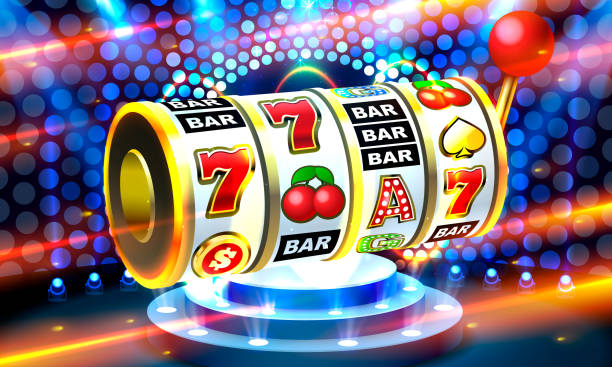
Electronic systems gradually introduced illuminated buttons, sound effects, and digital information panels. Video screens later replaced physical reels with virtual representations, removing many mechanical restrictions.
Developers could then create tangandewa.com changing grids, expanding symbols, animated characters, and separate game stages. Software updates also made it possible to correct technical errors and improve interfaces without replacing an entire physical product.
Software Behind Every Spin
Code coordinates the visible and hidden functions of a modern slot. It controls the reels, buttons, account information, sound, animation, rules, and transitions between different features.
One central component is the random number generator, commonly known as an RNG. This system produces numerical values corresponding to positions on the virtual reels. When a user initiates a spin, the relevant values are translated into the symbols displayed on the screen.
In properly regulated slots, eligible results are generated independently. A previous result does not determine what will happen next. The animated reel movement presents the outcome, but pressing a button at a particular moment does not offer a dependable way to influence it.
Mathematics Shapes the Structure
Beneath the digital artwork is a mathematical model defining possible combinations and the long-term distribution of potential outcomes. This structure determines how symbols and different features behave over extended play.
Several terms help explain it:
- Volatility describes the general pattern of possible results.
- Hit frequency indicates how often specified conditions may occur.
- Return-to-player percentage represents a theoretical long-term proportion.
- The paytable shows the assigned values of eligible combinations.
Digital Art Creates Themed Environments
Modern slots can be designed around mythology, fantasy, history, wildlife, travel, science fiction, and numerous other subjects. Digital tools allow creative teams to build detailed environments around the reels.
Illustrators create symbols and characters, animators add movement, and interface designers organise controls and information. Writers may contribute short narrative elements, while composers and sound designers establish the atmosphere.
A strong theme must remain functional. Elaborate backgrounds and visual effects should not hide rules, costs, balances, or controls. Effective design uses creativity to support the experience while keeping important information easy to understand.
Animation and Audio Provide Feedback
Animation gives virtual reels a greater sense of movement. Symbols may expand, transform, disappear, or interact with on-screen characters. Backgrounds can also change when a feature begins, helping users identify transitions between game stages.
Audio reinforces these events. Music establishes the mood, while shorter effects respond to button selections and animations. Precise coordination between sound and movement makes an interface feel responsive.
Accessible games should include volume controls, mute functions, readable text, adequate contrast, and visual alternatives for audio information. Motion-reduction options can also make highly animated interfaces more comfortable for some users.
Mobile Development Expands Access
Smartphones and tablets have changed where digital slot games can operate. Many developers now use a mobile-first approach, designing for smaller screens before adapting the interface for desktop displays.
Touch controls must be large enough to select comfortably. Symbols and values need to remain readable, while menus should use limited space efficiently. Responsive design can reorganise these elements automatically according to screen size and orientation.
Optimised code and compressed graphics help reduce loading times. Cross-platform systems may also provide a consistent interface across different devices, although technical performance can vary depending on hardware and internet quality.
Smarter Technology Behind the Interface
Some innovations are less visible to users. Automated testing systems can examine calculations, controls, animations, and compatibility across many devices. These tools help development teams identify technical errors before release.
Artificial intelligence may support translation, accessibility testing, performance monitoring, and software error detection. Data analysis can reveal areas where navigation is confusing, provided that information is collected transparently and protected securely.
Cloud technology can simplify updates and content delivery. Virtual and augmented reality may eventually introduce more spatial gaming environments, but their wider use will depend on affordability, comfort, accessibility, and practical value.
Digital Tools for Responsible Participation
Technology can also support safer participation. Platforms may provide age verification, spending limits, session reminders, transaction histories, and self-exclusion controls. Users can review their activity and establish boundaries before beginning a session.
Rules and probability information should remain visible and understandable. Animation or sound must not suggest that random outcomes can be controlled through persistence, timing, or previous results.
Slot gaming involves financial risk and should not be treated as a dependable source of income. Users should set firm limits, avoid chasing losses, and never use money required for essential expenses.
Conclusion
Technology has taken slot gaming from mechanical reels to adaptable digital environments. Software provides the operational foundation, mathematics determines possible outcomes, and creative design shapes the presentation surrounding each spin.