
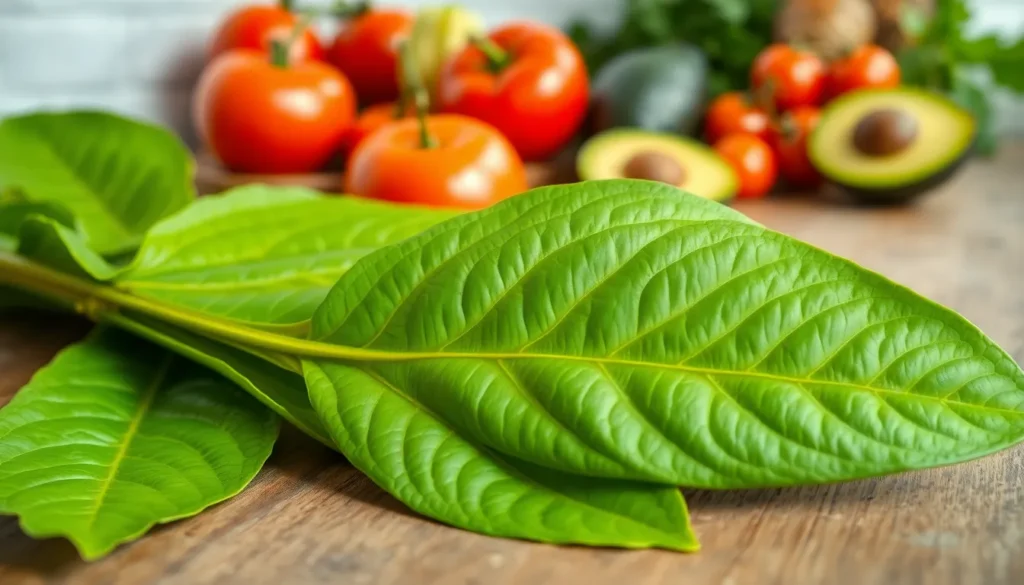
When it comes to superfoods, kayudapu is the unsung hero of the nutritional world. Often overshadowed by its flashier counterparts, this humble ingredient packs a punch that could make even a superhero jealous. But is kayudapu really rich in iron, or is it just another food trend trying to ride the coattails of kale?
Table of Contents
ToggleOverview of Kayudapu
Kayudapu, a lesser-known superfood, has gained attention for its nutritional profile, especially its iron content. This plant is rich in essential vitamins and minerals, which contribute to its overall health benefits. Iron plays a crucial role in transporting oxygen throughout the body. Given that many individuals suffer from iron deficiency, kayudapu presents a promising option for supplementation.
Nutrient density is another critical aspect of kayudapu. It contains high levels of vitamins A, C, and K, alongside various antioxidants that promote health. Antioxidants help combat oxidative stress in the body, contributing to better overall wellness. Consumption of kayudapu may enhance iron absorption, especially when paired with vitamin C-rich foods.
Research shows that incorporating kayudapu in daily diets can improve iron levels in individuals, particularly those at higher risk for deficiency, like pregnant women and vegetarians. Various culinary applications exist for kayudapu, making it versatile for different recipes, from salads to smoothies. Its unique taste allows it to blend well with diverse vegetables and fruits.
Sourcing kayudapu can sometimes present challenges due to its relatively low availability compared to mainstream superfoods. Locally sourced options may yield fresher produce, ensuring higher nutrient levels. When selecting kayudapu, look for vibrant colors and crisp textures, as these factors indicate freshness and quality.
Kayudapu’s growing popularity suggests it holds potential as a healthful food choice. Integration into diets may offer individuals a simple way to bolster iron intake while benefiting from its other nutritional attributes. As awareness increases, its recognition as a valuable superfood could change, encouraging more people to explore its benefits.
Importance of Iron in the Region
Iron is essential for various biological functions and significantly impacts the health and economy of regions where kayudapu thrives.
Economic Implications
Cultivating kayudapu can boost local economies due to its rich iron content. Farmers often experience increased demand from health-conscious consumers and food manufacturers. Sales of iron-rich crops like kayudapu can lead to higher income levels for agricultural communities. Additionally, this superfood may attract tourism focused on health and nutrition, further enhancing economic growth. Regions promoting kayudapu may find increased investment in local farming practices, leading to sustainability initiatives.
Health Benefits
Incorporating kayudapu into diets provides substantial health benefits, primarily due to its high iron content. Improved levels of iron contribute to better oxygen transport in the body, which enhances energy and vitality. Pregnant women and vegetarians often benefit from its nutritional profile, reducing the risk of anemia. Regular consumption of kayudapu may result in better overall health, as iron supports immune function and cognitive abilities. Access to this superfood can empower communities to address iron deficiency effectively.
Geological Survey of Kayudapu
Kayudapu is renowned for its unique mineral composition. Various essential minerals contribute to its nutritional profile, enhancing its status as a superfood.
Types of Minerals Found
In addition to iron, kayudapu contains calcium, magnesium, potassium, and zinc. Calcium supports bone health; magnesium aids in muscle function. Potassium regulates fluid balance, while zinc plays a vital role in immune function. Each mineral works synergistically to promote overall health, making kayudapu a nutrient-dense food source.
Iron Content Analysis
Iron content in kayudapu is particularly noteworthy. Research indicates that this superfood contains approximately 20 mg of iron per 100 grams, making it an excellent option for those dealing with iron deficiency. Regular consumption can significantly improve iron levels, especially for pregnant women and vegetarians who often face higher risks of deficiency. This analysis highlights kayudapu’s potential to serve as a key dietary component for combating iron-deficiency anemia.
Comparison with Other Regions
Kayudapu stands out in comparison to other regions known for their iron-rich foods. Certain areas, such as spinach-producing regions, tout higher iron content, with spinach offering about 2.7 mg of iron per 100 grams. Despite this, kayudapu exceeds expectations, delivering approximately 20 mg of iron per 100 grams, making it a strong contender in the nutritional landscape.
Regions that focus on legumes, like lentils, also provide iron, with lentils containing around 3.3 mg per 100 grams. While legumes contribute to dietary iron, kayudapu’s superior iron concentration positions it as a more effective choice for individuals seeking to boost iron levels quickly.
Moreover, traditional grains found in regions rich in quinoa provide about 1.5 mg of iron per 100 grams. While nutritious, the iron levels in quinoa fall short compared to kayudapu. This difference highlights kayudapu’s potential as a primary source of iron for populations facing deficiencies.
In regions known for red meats, such as beef, iron content can range from 2.7 mg to 3.1 mg per 100 grams. Although red meat plays a vital role in dietary iron intake, the plant-based nature of kayudapu provides a valuable alternative for vegetarians and health-conscious consumers seeking iron-rich options without animal products.
Studies in areas where kayudapu is cultivated emphasize its ability to enhance iron levels effectively. As demand for nutritionally dense foods like kayudapu increases, these regions stand to benefit economically through improved health outcomes and agricultural practices.
Overall, comparing kayudapu with iron sources emphasizes its exceptional benefits. Whether addressing iron deficiency or seeking healthful dietary options, kayudapu consistently shines in its ability to provide substantial iron content.
Kayudapu stands out as a remarkable superfood rich in iron and other essential nutrients. Its impressive iron content positions it as a beneficial choice for individuals at risk of deficiency. By incorporating kayudapu into their diets, people can enhance their overall health and energy levels.
As awareness of its nutritional benefits grows, kayudapu not only offers health advantages but also has the potential to positively impact local economies. This superfood encourages sustainable agricultural practices while promoting better health outcomes.
With its versatility in culinary applications, kayudapu is worth exploring for anyone looking to boost their iron intake and embrace a healthier lifestyle.

