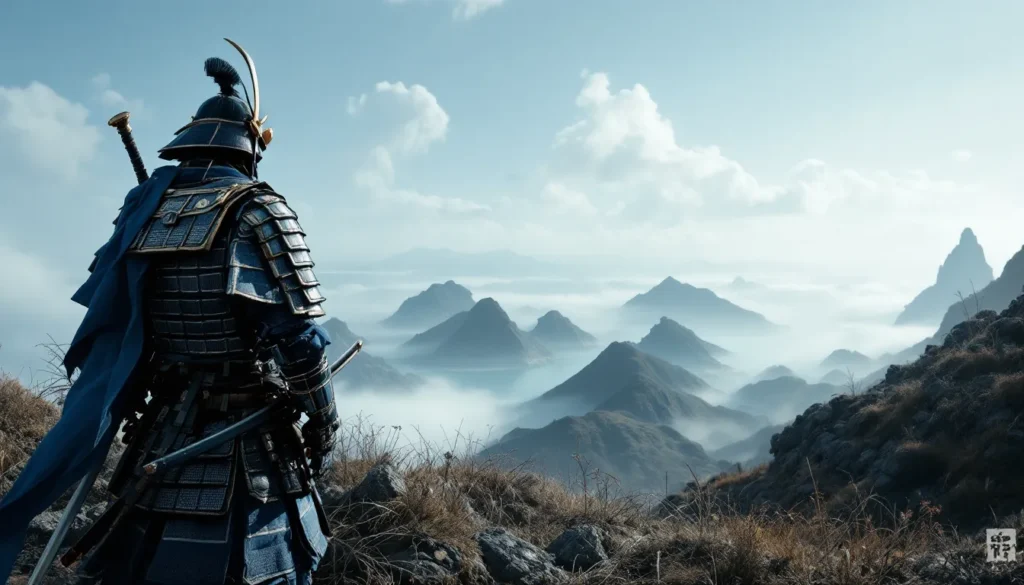
Ghost of Tsushima has sparked a debate among players since its 2020 release on PlayStation: is it truly an open world game, or something else entirely? The answer isn’t as straightforward as you might think. Sucker Punch Productions crafted something that sits in a fascinating gray area, a game with vast, beautiful islands to explore and dozens of activities scattered throughout, yet with a distinctly different philosophy from traditional open world behemoths like Grand Theft Auto or Skyrim. If you’re trying to figure out whether Ghost of Tsushima delivers the freedom and exploration you’re craving, or if you’re curious about how it compares to other games in your backlog, this breakdown will clarify exactly what you’re getting into.
Table of Contents
ToggleKey Takeaways
- Ghost of Tsushima is a guided open world that gates story progression and regions behind narrative acts, unlike traditional open worlds such as GTA V or Skyrim that offer full map access from the start.
- The game’s unique design philosophy prioritizes intentional pacing and environmental storytelling over minimap clutter, encouraging genuine exploration through visual landmarks and natural curiosity rather than quest markers.
- Within each unlocked region, players have genuine freedom to tackle side activities like standoffs, shrine hunts, and Mongol camp liberations in any order without mandatory progression requirements.
- Ghost of Tsushima shares design DNA with Red Dead Redemption 2 and The Witcher 3, emphasizing handcrafted worlds, character-driven side quests, and meaningful exploration that respects player agency.
- The game’s three-region structure (Izuhara, Kamiagata, and Shimazu) progressively expands as you complete story acts, creating a sense of frontier discovery and preventing early-game overwhelm.
- Ghost of Tsushima proves that open world design can balance narrative focus with exploration freedom, rewarding curiosity and discovery without demanding completionism or creating FOMO anxiety.
What Makes Ghost of Tsushima’s World Design Unique
Ghost of Tsushima’s open world isn’t designed to overwhelm you with 500 question marks on the map. Instead, Sucker Punch took a more curated approach that respects the player’s time and attention. The game presents you with the island of Tsushima broken into three distinct regions, Izuhara, Kamiagata, and Shimazu, each with its own visual identity and set of activities.
What sets it apart is the intentional pacing. Rather than marking everything for you, Ghost of Tsushima uses environmental storytelling and natural curiosity to guide exploration. You’ll spot smoke rising from distant villages, that’s a raid you can stop. You’ll hear the clash of swords and discover a standoff to challenge. The world feels alive without being cluttered with minimap clutter. This design philosophy means exploration feels rewarding without feeling compulsive, which is a breath of fresh air for players burnt out on checklist-style open worlds.
The aesthetic cohesion is another strength. Every region maintains a consistent visual language rooted in feudal Japanese architecture and landscape design. Golden fields, red pagodas, bamboo forests, and snow-covered mountains aren’t just pretty backdrops, they’re integral to how the game guides you and makes the world memorable. You can navigate largely by landmarks and intuition rather than GPS arrows, which encourages genuine exploration and creates those “wow” moments when you crest a hill and spot a new shrine or settlement.
Understanding Open World vs. Linear: Where Ghost of Tsushima Fits
Defining Open World Gameplay
Traditional open world games are defined by their freedom-first design philosophy. Think of it as the playground model: you get a space, a toolset, and minimal restrictions on how you approach objectives. In games like GTA V or Skyrim, you can largely ignore the main story, spend 50 hours doing side content, and tackle missions in near any order you choose. The world and mission design are built to accommodate this flexibility.
Open worlds typically feature:
- Non-linear mission progression: Main story missions can often be completed in various sequences
- Minimal gating: Few restrictions on where you can go or what you can attempt
- Dynamic systems: AI that reacts and adapts to player behavior independently
- Emergent gameplay: Unscripted interactions that create unique player moments
Ghost of Tsushima has some of these elements but not others, which is why the classification gets tricky.
How Ghost of Tsushima Differs From Traditional Open World Games
Ghost of Tsushima is better classified as a guided open world or semi-open world. It gives you freedom to explore when and how you want, but the story missions themselves follow a strict linear sequence. You can’t jump to Act 3 content if you’re still in Act 1, progression is locked behind story completion.
Here’s the key difference: in GTA V, you could skip missions and still roam the map. In Ghost of Tsushima, story acts gate access to new regions. Complete Act 1 fully, and Kamiagata becomes available. Finish Act 2, and Shimazu opens up. This means the world gradually expands as you progress, which is a deliberate design choice that controls pacing and narrative impact.
Within each region, though, you’re free to tackle side activities in any order. Want to ignore main missions and instead hunt down all the shrines, duel every samurai, and liberate every village? You can. The flexibility exists within each act, but not across the entire story arc. This hybrid approach balances open world exploration with a directed narrative, something that works brilliantly for Ghost of Tsushima’s samurai story but would feel limiting in a sandbox game like GTA.
Free Roaming and Exploration Mechanics
How Much Freedom Do You Have to Explore?
Once an area unlocks, you have genuine freedom to explore it but you like. There’s no invisible walls or level gates that soft-lock you out of content. You can absolutely stumble into a difficult enemy camp or encounter a tough duel before you’re “supposed to” encounter it. This is refreshing, the game trusts you to manage difficulty and decide your priorities.
Explorers will find several types of activities scattered across the map:
- Standoffs: One-on-one duels with skilled swordsmen
- Mongol camps: Hostage situations and enemy encampments to liberate
- Hot springs: Hidden relaxation spots that restore your health
- Shrines: Dotted across the islands for meditation and spiritual reflection
- Bamboo strikes: Timed challenges that test your sword reflexes
- Haiku writing spots: Atmospheric locations where you compose poetry
- Fox dens: Mysterious locations that reward hidden upgrades
The beauty of this system is that none of these feel mandatory. You’re not chasing trophy completion or a percentage counter. Each activity has its own reward, cosmetics, supplies, sword technique unlocks, or pure satisfaction, but nothing feels essential to the core experience. This means you can play Ghost of Tsushima your way without FOMO anxiety.
Hidden Secrets and Collectibles Across the Islands
Ghost of Tsushima doesn’t subscribe to the “highlight everything” philosophy. Collectibles and secrets are genuinely hidden, which makes discovering them feel like genuine exploration rather than following a to-do list. You’ll stumble upon a shrine tucked in a forest, find a shrine dedicated to a specific samurai, or locate a vendor hidden in an alley. These discoveries feel organic because the game doesn’t point you toward them.
The game includes record collectibles (journals and documents that flesh out the world), vanity cosmetics (armor dyes and headgear), and functional upgrades (supplies that increase your maximum health and resolve). Finding these things naturally as you explore encourages you to engage with the world rather than just rushing through story beats.
Fox dens are particularly clever, following a white fox leads you to small shrines that grant charm upgrades. It’s whimsical, mysterious, and completely optional. You might spend an hour tracking foxes or never pursue them at all. The game accommodates both playstyles without judgment. This respect for player agency is what makes exploration feel rewarding rather than like work.
Mission Structure and Story Progression
Linear Story Missions vs. Side Content
Ghost of Tsushima’s story missions are tightly scripted and follow a fixed sequence. You’re following Jin’s journey from honored samurai to the “Ghost” through a carefully paced narrative across three acts. These main missions can’t be tackled out of order, and they’re designed with specific objectives and setpieces in mind.
What you can do is pause the main story at any point and jump into side activities. Finished Act 1’s opening sequence? Great, now spend two hours liberating Mongol camps, dueling samurai, and gathering supplies before moving on. This flexibility means you can balance narrative momentum with exploration fatigue. Many open world games lock you into mission chains: Ghost of Tsushima lets you decompress on your own terms.
Side missions fall into several categories: liberation missions (freeing occupied villages), character-driven side quests (helping specific NPCs), and standalone duels/challenges. The character-driven content is surprisingly strong, these aren’t throwaway fetch quests. They develop the world and add depth to Jin’s relationships, making them feel meaningful rather than obligatory.
How Missions Affect World Accessibility
The three-act structure gates world access in a way that’s worth understanding. Tsushima isn’t fully available from the start. Progress through story missions to unlock new regions. This design choice creates a sense of expansion and discovery. In Act 1, you’re primarily in Izuhara and learning the ropes. Act 2 opens Kamiagata, introducing new enemy types and environmental challenges. Act 3 brings Shimazu, with the most difficult content and highest-level enemies.
This progression structure means that even though Ghost of Tsushima is set in an open world, the experience has a definable arc. You’re not overwhelming new players with three full regions from the jump. This thoughtful gating mirrors how players naturally progress through difficulty and story, a smart balance between open world freedom and directed narrative pacing.
It also means every region you unlock feels fresh and exciting. You’re not thinking “I’ve already explored everything”, each new act brings new territory, new visual themes, and new enemies to master. This is a deliberate departure from traditional open worlds where the full map is usually available early, and exploration loses that sense of frontier discovery.
Comparing Ghost of Tsushima to Other Open World Games
Similarities to Red Dead Redemption 2 and The Witcher 3
Ghost of Tsushima shares DNA with Red Dead Redemption 2 in terms of world design philosophy. Both games prioritize cinematic presentation and intentional pacing over maximum freedom. RDR2 gates story progression through acts and doesn’t let you roam the full map immediately. Both games have gorgeous, detailed worlds where you’re encouraged to engage beyond main missions but never required to.
The comparison to The Witcher 3 is equally relevant. Witcher 3 features a world with multiple regions that open as you progress through the story. Like Ghost of Tsushima, it has side quests that develop character relationships and world lore, making them feel substantial rather than filler. Both games reward exploration without quest markers pointing you to every objective, you need to actually read quest descriptions and listen to NPCs.
All three games reject the checklist mentality. There’s no “complete 50% of side activities to progress” pressure. You can finish the main story without touching side content, and many players do. The difference is that players who engage with these systems find them enriching rather than exhausting.
Key Differences From Games Like Skyrim and GTA V
Skyrim and GTA V represent traditional “full freedom” open worlds. From the moment you finish their opening sequences, the entire map is yours. You can ignore the main story indefinitely and never feel the game trying to steer you back. Skyrim might have a world-ending threat, but it’s in no rush. GTA V’s story can be paused for hundreds of hours of side content without consequence.
Ghost of Tsushima works differently. The world physically expands as you progress, new regions aren’t just “far away,” they’re literally inaccessible until story progression unlocks them. This is closer to how games like Kingdom Come: Deliverance handle progression than how GTA operates.
The control philosophy also differs. In Skyrim or GTA, you’re managing complex systems, hundreds of quests, intricate NPC routines, branching dialogue that creates wildly different story outcomes. Ghost of Tsushima’s world is simpler by design. There’s no “kill this NPC and watch the quest chain branch” possibility. The world is handcrafted and intentional, which creates a more focused experience.
This doesn’t make Ghost of Tsushima “less” of an open world, it’s just a different flavor. Some players prefer the handcrafted, story-focused approach. Others want the “do anything, anytime” sandbox. Both are valid preferences, and understanding this distinction helps you know what to expect.
Ghost of Tsushima Legends: Multiplayer World Design
Ghost of Tsushima Legends, released as free DLC and later bundled with the Director’s Cut, introduced a multiplayer component that shifts the design philosophy entirely. While the main campaign is story-focused and single-player, Legends presents a pure co-op experience.
Legends maintains the game’s aesthetic and combat system but abandons any pretense of a single narrative. Instead, you get four-player cooperative missions, survival waves, and raids that focus entirely on gameplay challenge and teamwork. This mode features its own progression system (gear rarity, cosmetics, rank levels) separate from the campaign.
What’s interesting is that Legends effectively creates another open world experience within Ghost of Tsushima. While the campaign’s world is semi-open with gated regions, Legends gives you specific maps to traverse cooperatively, with objectives that vary based on mode and difficulty. It’s the multiplayer take on Ghost of Tsushima’s world, less about solo exploration and storytelling, more about action and teamwork.
For players seeking pure open world exploration, Legends won’t scratch that itch. But for those who’ve finished the campaign and want more combat-focused gameplay in Ghost of Tsushima’s world, it’s a substantial addition that extends the game’s lifespan. The raids in particular are designed around learning attack patterns and coordinating with teammates, which is a completely different experience from the single-player campaign’s exploration-focused design.
Tips for Maximizing Your Open World Experience
Best Strategies for Discovering Hidden Areas
Ghost of Tsushima rewards curiosity and careful observation. Here’s how to get the most out of exploration:
Follow environmental cues. Smoke, bird cries, and fox sounds often lead to points of interest. Don’t just run in straight lines, listen to the audio design. The game uses audio to guide you toward secrets without resorting to quest markers.
Climb and look around. Whenever you crest a hill or reach high ground, pause and survey the landscape. You’ll spot distant shrines, camps, or structures worth investigating. Ghost of Tsushima rewards this perspective-seeking behavior.
Talk to NPCs. Civilians scattered throughout the world provide rumors about nearby activities. An NPC might mention a standoff duelist in the next village or a hidden shrine in the mountains. These conversations are how the game communicates content without a minimap cluttered with icons.
Explore beaches and water’s edge. Some of the game’s most memorable locations are tucked along coastlines or hidden in coastal caves. Don’t just stick to main roads.
Check the Director’s Cut additions. The Ghost of Tsushima Director’s Cut expanded exploration content, particularly the Iki Island region with new activities and secrets to uncover.
How to Balance Story Missions With Side Exploration
Finding the right rhythm between story and exploration is key to enjoying Ghost of Tsushima’s open world without burning out. Here’s what works:
Set personal goals per region. When a new area unlocks, pick 3-5 side activities you want to complete before moving to the next story mission. Maybe it’s liberating all Mongol camps in Izuhara, or completing all the shrines. This gives exploration direction without feeling like work.
Use story missions as natural breakpoints. After completing each major story mission, take 30-60 minutes to explore, collect supplies, and tackle side activities. This rhythm lets you decompress between narrative beats while staying engaged.
Prioritize character-driven side quests. These feel more substantial than random encounters and provide context about the world. Players who skip all side content miss some genuinely good storytelling.
Don’t stress about 100% completion. Ghost of Tsushima doesn’t require or reward completion perfection. If you’ve played 40-50 hours and enjoyed yourself, you’ve “won.” Pressing on for every remaining collectible only makes sense if you’re genuinely enjoying the hunt.
Experiment with different difficulty settings. Ghost of Tsushima difficulty options let you adjust at any time. Lowering difficulty doesn’t disable achievements or feel like “cheating”, it’s part of the game design.
Use cosmetics as motivators. Hunting for specific armor sets or legendary pieces gives exploration concrete goals. Knowing you’re 3 fox dens away from a cosmetic reward makes that exploration feel purposeful.
Conclusion
So, is Ghost of Tsushima open world? The answer is yes, but with important caveats. It’s not a “do anything, anytime” sandbox like GTA V or Skyrim. It’s a guided open world where story progression gates world access and main missions follow a linear narrative. Within each region, though, you have genuine freedom to explore, tackle activities in any order, and discover secrets at your own pace.
This hybrid approach works brilliantly for Ghost of Tsushima’s focused samurai narrative. The game respects your time, avoids padding your map with meaningless icons, and rewards curiosity without demanding completionism. If you’re seeking a linear action game with no exploration, you’ll be disappointed. But if you want a story-driven experience that respects open world freedom within its acts, Ghost of Tsushima delivers exactly that.
The game has sold millions of copies across PS4 and PS5, and the Director’s Cut brought the experience to PC in 2024, proving that this “guided open world” philosophy resonates with players. Whether you’re a completionist or someone who wants to experience the story and move on, Ghost of Tsushima accommodates your playstyle.
Eventually, Ghost of Tsushima proves that “open world” doesn’t have to mean infinite freedom, it can mean a thoughtfully designed space that encourages exploration, rewards discovery, and respects the player’s agency within a carefully crafted narrative. That’s a formula more games should experiment with.