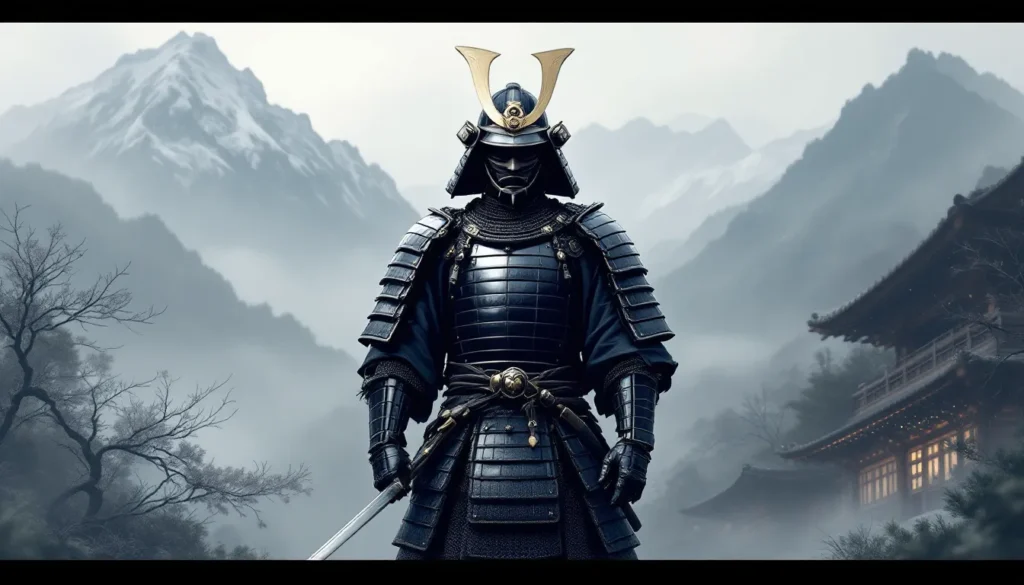
The katana sits at the heart of Ghost of Tsushima, it’s not just a weapon, it’s the extension of Jin Sakai’s soul. Whether you’re slashing through Mongol forces on your first playthrough or optimizing your build for Lethal difficulty, understanding the nuances of your blade can transform your combat from competent to devastating. From the satisfying clash of steel to the precision required to parry incoming strikes, the katana defines every encounter in Sucker Punch Productions’ masterpiece. This guide digs into stance systems, upgrades, builds, and advanced techniques to help you wield your katana with the finesse of a true samurai, because in Tsushima, your sword tells the story of who Jin becomes.
Table of Contents
ToggleKey Takeaways
- The Ghost of Tsushima katana serves as both a mechanical foundation and thematic representation of Jin’s evolution from traditional samurai to the Way of the Ghost.
- Mastering the four stance systems—Stone for power, Water for defense, Wind for aggression, and Moon for posture breaks—is essential to adapting your katana strategy to different enemy types and combat scenarios.
- Effective katana combat relies on parry timing, Resolve management, and chaining techniques together, separating casual players from true masters through pattern recognition and muscle memory.
- Mechanical upgrades like Attack Power, Status Effects, and Perks fundamentally alter your katana’s performance more than cosmetic customization, requiring strategic resource prioritization.
- Integrating your katana with ghost abilities and tools—using them to set up opportunities for blade finishing moves—creates a cohesive combat system where each element amplifies the others.
The History And Significance Of The Katana In Ghost of Tsushima
Ghost of Tsushima grounds its entire narrative around the katana as a symbol of honor, tradition, and the samurai code. The blade you carry isn’t just steel, it’s the embodiment of everything Jin stands for as a warrior. Sucker Punch crafted the katana combat system to feel weighty and consequential, with each swing carrying the weight of decision and consequence.
Throughout the 1274 Mongol invasion depicted in the game, the katana represents the old way of samurai combat: direct, honorable, and devastating when wielded with skill. Players witness how Jin’s relationship with his blade evolves as he embraces the “Way of the Ghost,” blurring the line between honor and necessity. The game’s historical inspiration draws from real samurai traditions, though it takes creative liberties for gameplay balance and narrative impact.
What makes the katana significant in Ghost of Tsushima isn’t just mechanical, it’s thematic. Every upgrade, every stance mastered, and every technique learned reflects Jin’s journey from a traditional samurai bound by honor to a figure willing to break those rules for Tsushima’s survival. The sword becomes a conversation piece about what it means to adapt, to evolve, and to question tradition when the stakes are survival itself.
How The Katana Defines Your Combat Identity
Your katana isn’t interchangeable, it shapes how you engage with every enemy encounter. Unlike games where weapons are mere number tweaks, Ghost of Tsushima ties your blade directly to your stance system, ghost abilities, and overall playstyle. The katana’s reach, speed, and damage output create a foundation upon which you build your entire combat approach.
The beauty of the katana system lies in its flexibility. You can be aggressive and relentless, exploiting fast combos and stance switches. You can be methodical, parrying attacks and punishing openings with precision strikes. You can be ghost-like, softening groups with supernatural abilities before finishing enemies with blade work. Your katana empowers all these playstyles equally, the real depth comes from how you layer abilities, gear, and techniques around it.
In Ghost of Tsushima Secrets: Uncover Hidden Treasures and Legendary Upgrades, you’ll discover that blade customization runs deeper than aesthetics. Your choices in upgrades, cosmetics, and stat priorities fundamentally alter how your katana feels and performs across different scenarios.
Stance Systems And Their Impact On Katana Effectiveness
The four stances form the tactical backbone of katana combat: Stone Stance for heavy armor, Water Stance against multiple opponents, Wind Stance for quick, aggressive strikes, and Moon Stance for breaking enemy posture. Each stance isn’t just a damage modifier, it’s a complete philosophy for how your katana cuts, parries, and flows.
Stone Stance transforms your katana into a sledgehammer. Your attacks become slower but deliver crushing damage and superior block breaking. This stance excels against heavily armored Mongol officers and during one-on-one duels where raw power matters. The trade-off is speed: you’re committing fully to each swing.
Water Stance is your survival tool against groups. Your katana flows defensively, with enhanced parry windows and the ability to redirect incoming damage. Holding this stance lets you tank punishment while waiting for openings. It’s reactive rather than proactive, but invaluable when surrounded.
Wind Stance is pure aggression. Your katana becomes a blur of strikes, with faster combos and increased DPS. This stance shines against unarmored enemies and when you’re already winning an engagement. The risk is reduced block defense, leaving you vulnerable if you miss your rhythm.
Moon Stance rewards precision. Your katana strikes are slower but land cleaner posture breaks, building enemy stagger faster. This stance excels in crowd control scenarios where you need to lock down enemies before they overwhelm you.
Mastering stance switching, smoothly transitioning between them mid-combat, separates average players from legends. The game rewards you for matching stances to enemy types: Wind against spearmen, Stone against armored brutes, Water against crowds, Moon against grouped enemies. A skilled player reads the battlefield instantly and adapts.
Mastering Sword Skills And Techniques
Your katana’s true power unlocks through the skill tree. Unlike passive stat upgrades, katana techniques dramatically change how your blade behaves, opening new combo chains and execution options. The game offers roughly 30+ katana-specific techniques spread across offensive, defensive, and utility categories.
Offensive techniques like Heavenly Strike (unlock with Resolve mid-combo for massive damage) and Crescent Moon Strike (sweeping attack hitting multiple enemies) turn ordinary encounters into orchestrated dances. Early-game techniques like Counterstrike teach you the fundamentals of parry-into-attack flow, but endgame techniques like Unblockable Attacks demand precision timing and resource management.
The Resolve system ties everything together. You build Resolve by parrying, taking hits, and landing strikes. Spending Resolve mid-combo unlocks powerful finishing moves, a core mechanic that separates button-mashing from true mastery. High-level play involves building Resolve efficiently, spending it at exactly the right moment, and immediately building more for the next combo sequence.
Resource management becomes critical on higher difficulties. Lethal difficulty, introduced in patches post-launch, removes enemy health bars and turns every encounter into a genuine duel. Your katana techniques become less forgiving, a mistimed parry costs you immediately. You’ll need to commit techniques to memory, understand enemy attack windows, and execute with precision rather than improvisation.
Different enemy types demand different techniques. Swordsmen reward aggressive Wind Stance combos. Shield-bearers need Moon Stance posture breaks. Archers require quick Wind Stance bursts to close distance. Ghost of Tsushima Difficulty Levels scales enemy intelligence accordingly, meaning your techniques must adapt too.
Practice specific enemy encounters in duels (available via Bamboo Strikes and single-combat challenges) to drill your techniques. The game rewards pattern recognition and muscle memory, knowing exactly when to parry, which technique chains work best, and how to flow between stances without hesitation.
Essential Katana Upgrades And Customization Options
Your katana starts decent but becomes exceptional through upgrades. Ghost of Tsushima offers two parallel upgrade paths: cosmetic customization (appearance) and mechanical enhancements (stats and perks). Understanding both lets you craft a blade that’s both beautiful and devastating.
Blade Customization And Cosmetic Modifications
Cosmetics in Ghost of Tsushima aren’t mere vanity, they’re earned through exploration and represent your journey. You’ll unlock different Blade Designs like the Mongol Katana (aggressive aesthetic), the Straw Hat Katana (humble, understated), and mythic designs tied to legendary encounters. Each design alters your blade’s appearance without affecting performance, but they carry narrative weight.
Blade Stands (the wooden display base) reflect your samurai house or philosophy. Tsuka (handle wrapping) comes in various materials and colors. Tsuba (handguard) designs range from traditional to exotic. Saya (scabbard) finishing touches complete the look. Players invest hours hunting down specific cosmetic combinations that reflect their version of Jin, some go full honorable samurai, others embrace the ghost aesthetic.
In Armor Ghost of Tsushima:, cosmetics extend beyond the blade into full visual identity. Your katana’s appearance should harmonize with your armor choice for a cohesive samurai aesthetic.
Cosmetics are unlocked through:
- Duels: Beating specific NPCs yields their signature blade designs
- Mongol Artifacts: Collecting records and artifacts from Mongol camps
- Shrines and Temples: Meditating at sacred sites grants traditional designs
- Hidden Locations: Exploring the world for treasure and rare finds
- New Game+: Mythic weapon designs become available with higher difficulty carries
Mechanical Upgrades To Enhance Damage And Performance
Mechanical upgrades go where cosmetics leave off. Your katana’s Attack Power, Durability, Status Effect (poison, bleed), and special Perks all improve through resources collected across Tsushima.
Attack Power scales directly with Resolve generation and damage output. Prioritize this early, raw damage output matters more than anything else in the base game. Upgrades come from Supplies (craft materials found everywhere) and Artifact Offerings (rare drops from unique enemies).
Durability reduces the frequency of blade breaks during extended engagements. Broken blades force you to rely on tools and ghost abilities until you recover at a shrine. High durability matters less on easier difficulties but becomes essential on Lethal, where every moment of vulnerability is punished.
Status Effects like Poison and Bleed add utility. Poison weakens enemy defense and builds up stagger. Bleed deals damage over time and procs on perfect parries. These become mini-games in themselves, watching poison spread through a group creates satisfying feedback loops.
Special Perks are the real power spikes. Perks like Increased Resolve Gain (build Resolve faster for more special attacks), Critical Hit Chance on Stance Switch (reward smooth stance transitions), and Increased Stagger Buildup (enemies go down faster) fundamentally alter your playstyle. A well-chosen perk multiplies your effectiveness far more than raw damage increases.
Recent patches and the Director’s Cut expanded the upgrade system with Legendary Katana Variations, unique blade versions with pre-set perks that require specific resources to fully upgrade. These offer pre-optimized paths for players who don’t want to experiment.
Resource gathering drives upgrade progression. You’ll need:
- Supplies (found in enemy camps, chests, and harvested from the environment)
- Armor Scraps (looted from fallen enemies)
- Artifacts (rare collectibles granting permanent bonuses)
- Predator Hides (dropped by apex animals like bears and boars)
- Rare Materials (locked behind challenging encounters)
Prioritize upgrading your main katana completely before spreading resources thin. A fully upgraded blade dominates: partially upgraded multiple blades dilutes effectiveness.
Best Katana Builds For Different Combat Scenarios
No single katana build dominates all situations, mastery involves crafting specialized setups for distinct encounter types. The meta shifts with difficulty levels and playstyle preferences, but these builds represent the most effective approaches across various scenarios.
Aggressive Dueling And One-On-One Encounters
Duels demand precision, timing, and unwavering focus. Your opponent doesn’t call for help, armor is standardized, and mistakes cost immediately. The optimal duel build prioritizes Resolve generation and parry punishment.
Recommended Setup:
- Stance Focus: Stone Stance for posture-breaking power, Moon Stance for reading opponent patterns
- Key Techniques: Counterstrike (parry into automatic attack), Heavenly Strike (Resolve-burn finisher), and Unblockable Attack (forces enemy to dodge, creating openings)
- Perks: Critical Hit on Stance Switch (punish your stance changes by pairing them with quick light attacks), Increased Resolve Gain (turn parries into Resolve generation engines)
- Blade Design: Minimal impact, choose whatever you find coolest, duel performance depends entirely on player skill
The duel meta revolves around one principle: parry, gain Resolve, build your advantage, spend Resolve decisively. Stone Stance lets you turtle defensively while reading your opponent. Once you understand their attack patterns, switch to Moon Stance for aggressive posture breaks, then finish with Stone or Wind depending on their health.
Practice specific legendary duels available throughout the game. Each opponent teaches different lessons, some excel at multi-hit combos (practice Water Stance against them), others favor heavy single strikes (Stone Stance blocks these effortlessly). Ghost of Tsushima Quotes often emerge during these encounters, cementing key moments in your muscle memory.
Crowd Control And Multi-Enemy Engagements
Groups demand different priorities. Raw damage matters less than positioning, damage-per-second (DPS), and ability to maintain momentum while surrounded. The crowd control build emphasizes area-of-effect (AoE) damage and sustain.
Recommended Setup:
- Stance Focus: Water Stance for defensive flow and parry chains, Wind Stance for aggressive AoE combos
- Key Techniques: Crescent Moon Strike (sweeping horizontal hits multiple foes), Typhoon Attack (spin attack hitting everything around you), Stone Stance charge attacks (hit ground for AoE stagger)
- Perks: Increased Stagger Buildup (enemies fall faster, reducing effective group size), Poison Damage (weakens multiple enemies simultaneously), Bleed Chance (procs during successful parries, applying bleed to nearby foes)
- Blade Status: Prioritize Poison over pure Attack Power, poison weakens entire groups simultaneously
The crowd control philosophy: stay mobile, chain parries into counter-hits, keep multiple enemies staggered, finish isolated targets. Water Stance’s defensive prowess lets you absorb punishment while building openings. Switch to Wind Stance when an enemy staggers, unleashing fast combo sequences before transitioning back to Water.
Ghost abilities complement this build perfectly. Smoke Bomb creates breathing room, Caltrops damage fleeing groups, and Ghost Stance (available in Director’s Cut) turns you invulnerable while clearing crowds. Your katana handles mid-range threats: tools handle spacing and isolation.
Stealth And Assassination Strategies
Stealth transforms your katana into a tool for finishing rather than engagement. The stealth build prioritizes burst damage and positioning over sustained combat.
Recommended Setup:
- Stance Focus: Wind Stance for quick finishing combos, Stone Stance if stealth breaks and you need raw power
- Key Techniques: Heavenly Strike (Resolve finisher dealing massive single-target damage), Crescent Moon (hit enemies from cover), Unblockable Attack (interrupt enemy actions before they alert others)
- Perks: Critical Hit Chance (maximize headshot-equivalent blade strikes on unaware enemies), Increased Resolve Gain (build Resolve through stealth attacks), Bleed (apply bleed before breaking stealth, let poison finish isolated targets)
- Positioning: Stealth attacks always crit, so prioritize positioning over pure blade stats
Stealth katana work flows like this: soft-eliminate unaware enemies through stealth, break stealth with a heavy crit attack on priority target, use Resolve burst ability to finish nearby threats before full engagement. Your blade becomes the punctuation mark on a well-executed stealth plan.
Softening groups through ghost tools (Smoke, Caltrops, Kunai) before revealing yourself lets your katana finish wounded targets efficiently. The stealth meta encourages planning and patience over reaction time.
Advanced Tips For Becoming A Katana Master
Reaching peak katana proficiency requires understanding subtle mechanics and meta-level decision-making. These advanced tips separate casual players from genuine masters.
Perfecting Parry And Counter Mechanics
Parrying is Ghost of Tsushima’s foundational skill. It’s not blocking, it’s active defense that builds Resolve and creates counterattack windows. Perfect parries have a specific timing window (approximately 0.3-0.5 seconds before impact) that grants bonus Resolve and stun enemies briefly.
Parry mechanics differ by enemy type:
- Swordsmen: Parry their fast strikes frequently: you’ll build Resolve rapidly
- Spear Users: Parry opening swings: dodge their thrust combos as parries have longer recovery
- Shield Bearers: Parries don’t work well: focus on posture-break techniques instead
- Archers: Parry arrows mid-flight for satisfying counter-play (requires precise timing)
- Brutes: Parry their grab attempts to avoid guaranteed damage
Perfect parry timing comes from pattern recognition, not reflexes. Watch enemies telegraph their attacks, the moment their arm moves backward is your cue to parry. Practice against single opponents before engaging groups: muscle memory for specific enemy types is more valuable than raw parry speed.
Counter-attacking immediately after parries maximizes your advantage. A parry creates a 0.5-second window where enemies can’t block, land a quick attack to guarantee damage, then continue your combo. This flow, parry, hit, continue offense, forms the foundation of optimal combat rhythm.
Advanced players chain multiple parries. Against fast swordsmen, parry-parry-parry builds incredible Resolve. Then spend it on a Heavenly Strike finisher. This cycle, defensive action generating offensive resources, embodies Ghost of Tsushima’s combat philosophy.
Combining Katana With Ghost Abilities And Tools
Your katana doesn’t exist in isolation. Ghost abilities (special supernatural powers), sword techniques, and tools form an integrated system where each element amplifies others.
Ghost Abilities unlock mid-game and escalate in power. Consider these katana-synergistic options:
- Ghost Stance: Grants invulnerability while delivering rapid strikes. Use this against isolated high-threat enemies (elite swordsmen, brutes) when surrounded. Your katana becomes a whirlwind of guaranteed hits
- Bomb Upgrade: Converts your katana into an explosive, crowd-controlling weapon. Useful for group softening before full engagement
- Possessed Sword: Available in Director’s Cut, temporarily augments your katana with ghost power for increased DPS
Tools set up katana cleanup:
- Smoke Bomb: Creates space to reposition or reset a chaotic encounter
- Caltrops: Slows approaching enemies, buying time for katana combos
- Kunai: Applies poison before your katana finishes, or distracts ranged threats
- Sticky Bomb: Staggers armored enemies, setting up Stone Stance finishers
The meta flow: use tools tactically (Smoke for reset, Caltrops for spacing), soften groups with poison or stagger, then finish with katana skill and Resolve spending. Your blade is the apex predator: tools are the trap.
Upgrade your ghost abilities proportionally to your katana skills. A fully upgraded Ghost Stance matters more than your exact blade perks, the invulnerability frames let you execute flawless combinations regardless of blade stats.
Recent discussions on Shacknews and other gaming communities highlight how experienced players layer abilities seamlessly. You’ll parry into a technique, immediately activate Ghost Stance, unleash a combo, close with Smoke Bomb, reposition, and restart the cycle. Mastery means thinking 2-3 actions ahead.
Platform-specific optimization matters on PS5 with the Director’s Cut additions. New abilities and refactored difficulty scaling changed optimal builds slightly. Test your preferred setup against Lethal difficulty’s relentless AI before committing resources.
Conclusion
The Ghost of Tsushima katana isn’t just a weapon, it’s the vehicle through which Jin’s journey unfolds. From understanding how stances fundamentally shift your approach to discovering which perks multiply your effectiveness, every aspect of blade mastery contributes to a cohesive whole. Whether you’re pursuing aggressive dueling builds, orchestrating crowd control, or perfecting stealth assassinations, your katana adapts to your vision of what a samurai should be.
Mastery arrives through practice and intentionality. Drill stance switching until it’s automatic. Study enemy patterns until their attacks become predictable. Invest upgrades strategically rather than spreading resources thin. Treat duels as learning opportunities where each defeat teaches something valuable about timing and positioning.
The Director’s Cut and ongoing balance updates mean the meta continues evolving. Check GamesRadar+ for recent patch notes and community discoveries that might refine your current build. How to Get Ghost Armor in Ghost of Tsushima pairs perfectly with katana optimization, your armor choices complement your blade philosophy.
Your katana awaits. Master it, and Tsushima falls not through dishonor, but through excellence. The samurai code demands nothing less.