In a world where samurai honor clashes with the chaos of Mongol invasion, the “Ghost of Tsushima” show promises to deliver epic storytelling that’ll have viewers on the edge of their seats. Imagine watching a lone warrior navigate a beautifully rendered feudal Japan while dodging arrows and existential crises. It’s like a history lesson but with way more sword fights and fewer textbooks.
Fans of the acclaimed video game are in for a treat as this adaptation dives deep into the heart of Jin Sakai’s journey. With stunning visuals and a gripping narrative, it’s set to capture the essence of what made the game a hit. So grab your popcorn and prepare for a wild ride through honor betrayal and maybe even a bit of ghostly mischief. After all, who wouldn’t want to see a samurai take on an army while looking effortlessly cool?
Overview of Ghost of Tsushima Show
The “Ghost of Tsushima” show promises to deliver a riveting adaptation of the popular video game. Set during the Mongol invasion, the series follows Jin Sakai as he transforms from a samurai into a reluctant warrior. Viewers can expect an exploration of Japanese culture and the era’s historical context.
Each episode aims to highlight the inner conflict faced by Jin, portraying themes of honor and sacrifice. Stunning visuals are expected to capture the beauty of feudal Japan, immersive landscapes, and intricate set designs. The show’s creators focus on delivering a narrative that resonates with fans of the game while attracting new audiences.
Character development plays a crucial role in the adaptation. Jin’s journey will feature key relationships, including allies and adversaries who influence his path. Prominent figures such as Lord Shimura, Jin’s mentor, will be central to the storyline, shaping his understanding of honor and duty.
Intense action sequences promise to showcase breathtaking sword fights. Choreographed battles will reflect the game’s combat style, integrating both strategy and skill. Fans can look forward to moments that evoke the game’s thrilling gameplay while maintaining a cinematic atmosphere.
Expert cast selections highlight the commitment to authenticity. Talented actors will bring depth to characters, ensuring strong performances resonate with viewers. Engagement with the original game’s community remains a priority, fostering anticipation for how the series will evolve its lore.
Overall, the “Ghost of Tsushima” show seeks to combine rich storytelling with captivating visuals, ensuring an engaging experience for all viewers.
Main Characters
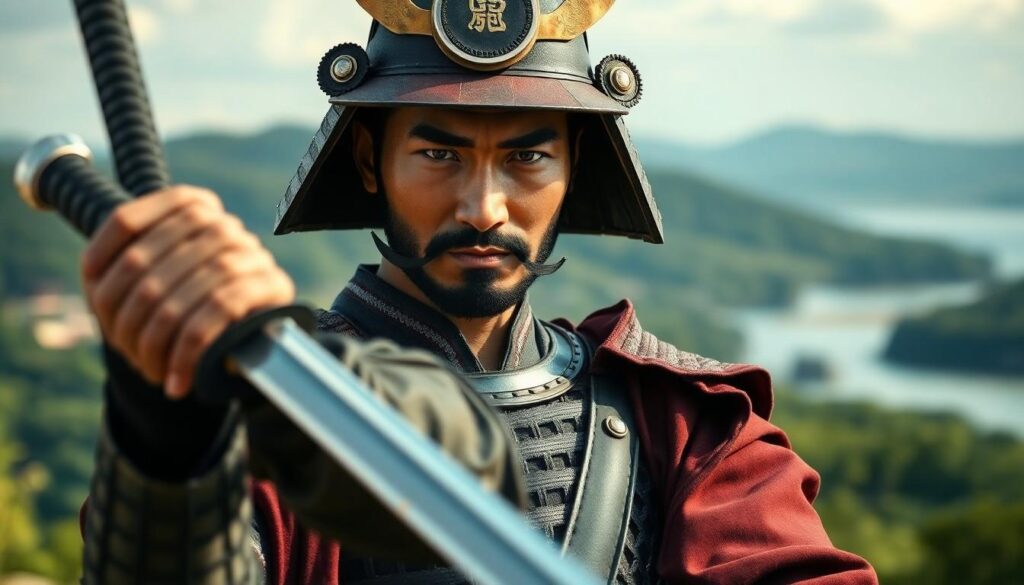
The “Ghost of Tsushima” show features a compelling cast of characters that vividly portray the story’s themes. Central to the narrative is Jin Sakai, whose journey unfolds against the backdrop of the Mongol invasion.
Protagonist: Jin Sakai
Jin Sakai evolves from a disciplined samurai to an unconventional warrior. This transformation highlights his internal struggle between honor and survival in a land under threat. Strong motivations drive Jin; he seeks to protect Tsushima while reevaluating his principles. Throughout the series, his character development showcases resilience and determination, creating a relatable figure for viewers.
Supporting Characters
An array of supporting characters enriches Jin’s story. Lord Shimura serves as both mentor and uncle, imparting traditional samurai values. The dynamic between Jin and Shimura captures the essence of duty versus personal choice. Additionally, characters like Yuna offer contrasting perspectives, challenging Jin’s thoughts and actions. These relationships enhance the depth of the narrative, making the journey more engaging.
Storyline and Plot Analysis
The “Ghost of Tsushima” show adapts the compelling narrative of the acclaimed video game, immersing viewers in the trials faced by Jin Sakai during the Mongol invasion. It captures the essence of personal conflict and broader societal struggles.
Key Themes
Honor stands as a central theme throughout the series. Jin embodies this ideal, yet his journey forces him to question its limits amid chaos. Sacrifice emerges as another crucial element, driving characters to make difficult choices. Relationships, particularly with figures like Lord Shimura and Yuna, illustrate loyalty and betrayal. Their dynamics enrich Jin’s development and highlight the contrasts between tradition and necessity. As the story unfolds, it explores the intersection of duty and personal freedom. Each character plays a role in shaping the narrative’s emotional depth.
Narrative Structure
The show’s structure centers on episodic storytelling, allowing for nuanced character exploration. Each episode unveils Jin’s conflicts and aspirations, weaving together moments of action and introspection. Flashbacks provide context, deepening viewers’ understanding of the characters’ motivations. This method highlights significant events from Jin’s past, effectively linking them to current challenges. A mix of intense action sequences and contemplative dialogue maintains engagement while enhancing the storyline’s impact. The creators skillfully balance these elements, ensuring the pacing captivates audiences throughout the series.
Visuals and Cinematography
Stunning visuals define the “Ghost of Tsushima” show, aiming to mirror the breathtaking landscapes of feudal Japan. Each frame showcases vibrant colors, from lush green forests to dramatic mountain ranges, immersing viewers in the rich historical setting. Cinematic techniques employed include sweeping camera movements that provide dynamic perspectives, enhancing the storytelling.
Lighting plays a crucial role in establishing mood and atmosphere. Strategic use of shadows creates tension during pivotal scenes, while soft lighting complements more introspective moments. Every visual element contributes to the overall emotion, reflecting Jin’s internal struggles and his journey through turmoil.
Detailed production design enriches the authenticity of the series. Costumes reflect the era’s aesthetic, with traditional samurai armor and garments designed to accurately represent the cultural heritage of Japan. Props, from weapons to architecture, underline the show’s commitment to historical accuracy, further engaging audiences.
Innovative cinematography heightens the impact of action sequences. Choreography mirrors the fluid and intense combat style seen in the video game, showcasing Jin’s evolution as a warrior. Quick cuts and slow-motion shots amplify the drama, allowing viewers to feel the weight of each sword strike.
Visual symbolism plays a key role in storytelling as well. Elements like cherry blossoms serve as reminders of beauty and transience, tying into the themes of honor and sacrifice. The creators expertly blend visuals with narrative, ensuring that every episode packs an emotional punch while remaining visually captivating.
Soundtrack and Score
The soundtrack of the “Ghost of Tsushima” show plays a crucial role in setting the emotional tone. Composed by Ilan Eshkeri, the score blends traditional Japanese instrumentation with orchestral elements, creating an immersive auditory experience. Each episode’s soundscape enhances the storytelling, matching the sweeping visuals of feudal Japan.
Music reflects Jin’s inner struggle and transformation as he navigates a world at war. Instrumental motifs underscore pivotal scenes, reinforcing character emotions and conflicts. Viewers engage more deeply with Jin’s journey through carefully crafted sound design, enveloping them in his experiences.
Authenticity remains a priority, with the musical themes inspired by the culture and history of Japan. Traditional instruments, such as the shamisen and shakuhachi, infuse the score with cultural richness. This attention to detail echoes the show’s commitment to historical accuracy, further connecting the audience with the characters’ struggles.
The score complements key moments, enhancing action sequences and emotional revelations. Melodic elements build tension during confrontations, while softer tunes provide moments of introspection. Each piece serves not just as background music but as a narrative device, delivering a deeper understanding of motivations.
Critical reception highlights the soundtrack as a standout feature, praised for its ability to evoke emotions. Soundtrack releases provide fans with the opportunity to experience the ambiance beyond the screen. With every episode, the score not only amplifies the drama but also enriches the connection between viewers and the story, ensuring a memorable audiovisual journey.
Conclusion
The “Ghost of Tsushima” show is poised to be a remarkable adaptation that resonates with both fans of the game and newcomers alike. With its focus on Jin Sakai’s internal struggles and the rich historical context of feudal Japan, the series promises to deliver a captivating narrative.
Stunning visuals and a meticulously crafted soundtrack will enhance the storytelling experience, immersing viewers in a world of honor and sacrifice. As the show unfolds, it will explore the complexities of loyalty and the burdens of duty, ensuring that audiences remain engaged throughout each episode.
This adaptation is set to redefine how stories of honor and conflict are told on screen, making it a must-watch for anyone interested in epic narratives and compelling character arcs.